
Descrizione
About Zepbound 2.5 mg: How does it work?
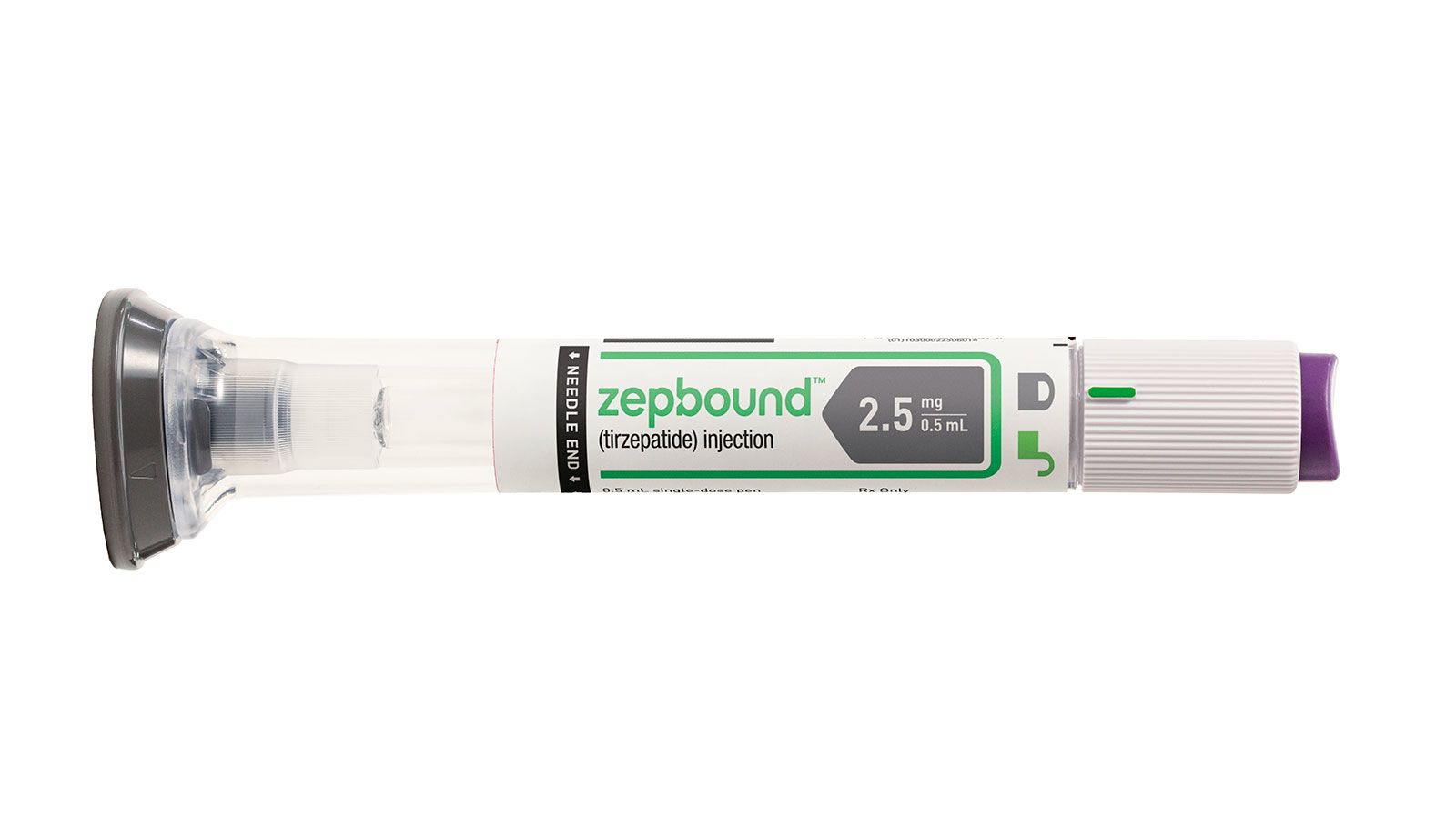
Zepbound 2.5 mg/0.5 mL is the starting dose of tirzepatide for injection in a single-dose pre-filled pen, to be used once weekly for chronic weight management in adults with obesity or overweight and related conditions.
When taken as directed by your doctor, Zepbound 2.5 mg can effectively reduce blood pressure and improve overall cardiovascular health. For best results, it is important to follow your doctor’s instructions regarding dosage and frequency of administration.
Dosage Details: Buy Zepbound
This pen delivers 2.5 mg of tirzepatide in a 0.5 mL volume via subcutaneous injection, typically in the abdomen, thigh, or upper arm. The starting dose is 2.5 mg weekly for 4 weeks, then increased, if well tolerated, to higher doses such as 5 mg/0.5 mL. Rotate injection sites weekly and follow the pen instructions: remove the cap, press against the skin, and hold the purple button for up to 10 seconds until the injection is complete.
Uses and Indications:
Zepbound promotes weight loss by mimicking the action of the hormones GLP-1 and GIP to reduce appetite and regulate blood sugar. It is FDA-approved for adults with a BMI ≥30 or ≥27 with comorbidities such as hypertension or type 2 diabetes. Not indicated for cosmetic use or for type 1 diabetes.
Administration Tips
Store refrigerated; use within 21 days at room temperature. Each pack contains 4 pens. Check transparency before use; discard if particles are present. The full package insert warns of the risk of thyroid cancer (contraindicated in cases of medullary thyroid cancer/family history) and gastrointestinal side effects.
Therapeutic indications for Zepbound 2.5 mg: for which pathologies is it used?
Zepbound dosage schedule starting at 2.5 mg
The dosage of Zepbound (tirzepatide) begins at 2.5 mg subcutaneously once a week and is gradually increased to minimize side effects such as nausea. The 2.5 mg dose is intended for initial treatment only, not for long-term maintenance therapy.
Standard administration schedule
Weeks 1-4: 2.5 mg once weekly.
Weeks 5-8: Increase to 5 mg once weekly.
Week 9 and thereafter: Further increases of 2.5 mg at intervals (e.g., 7.5 mg weeks 9-12, 10 mg weeks 13-16, up to 12.5 mg or maximum 15 mg), with at least 4 weeks at each dose level, based on tolerability and response.
Maintenance doses range from 5 mg to 15 mg per week; your doctor chooses them based on your weight loss goals, side effects, and conditions such as obesity or obstructive sleep apnea. Inject on the same day each week, with the option of varying the dose up to 3 days if necessary. Always follow the prescribing information you received previously.
Common side effects of Zepbound 2.5 mg
Buying Zepbound, the starting dose of tirzepatide , commonly causes gastrointestinal side effects, which are usually mild and decrease over time with continued use. These effects are similar at all dosages but are often less severe at the low starting dose of 2.5 mg.
Most common side effects
Nausea (up to 29% of users).
Diarrhea (about 21%).
Vomiting (about 11%).
Constipation (about 14%).
Abdominal pain or discomfort (9%).
Other common side effects
: Some users experience injection site reactions such as redness, itching, or bruising, along with tiredness, indigestion, belching, heartburn, or hair loss. These symptoms typically resolve as the body adjusts during the first 4 weeks of starting 2.5 mg.
Management Tips:
Eat smaller meals, stay hydrated, and avoid fatty foods to reduce gastrointestinal problems. Consult your doctor if symptoms persist for more than a week or worsen. Serious side effects such as severe allergic reactions or pancreatitis are rare but require immediate medical attention.
Serious side effects of Zepbound
Zepbound ( tirzepatide ) carries the risk of serious side effects, although these occur rarely; the FDA package insert includes a special warning about the potential risk of thyroid C-cell tumors. Seek immediate medical attention if you experience severe symptoms, as indicated in the package insert.
Special warning:
Risk of thyroid cancer, including medullary thyroid carcinoma (MTC), based on rodent studies; contraindicated in patients with a personal/family history of MTC or multiple endocrine neoplasia syndrome type 2. Symptoms include neck swelling, hoarseness, and difficulty swallowing/breathing.
Severe gastrointestinal problems:
Nausea, vomiting, diarrhea, or severe constipation can lead to dehydration and acute kidney injury; symptoms such as decreased urine output, bloating, or confusion require urgent treatment. Acute pancreatitis (severe abdominal pain radiating to the back, with or without vomiting) also requires discontinuation of treatment and medical attention.
Other serious risks
Gallbladder problems (e.g. gallstones, cholecystitis): upper abdominal pain, fever, jaundice.
Hypoglycemia (low blood sugar): shaking, sweating, confusion, especially in diabetics.
Severe allergic reactions: swelling, rash, difficulty breathing.
Vision changes, depression/suicidal thoughts or aspiration.