

Descrizione
Buy Suboxone without a prescription
Buy Suboxone (brand name) is a medication containing buprenorphine and naloxone, primarily used to treat opioid addiction. It reduces cravings for opioids and blocks their effects.
What is Suboxone and how does it work? Buy Suboxone
Composition: Suboxone combines buprenorphine (a partial agonist of the μ-opioid receptor) with naloxone (an opioid antagonist) to reduce the potential for abuse.
Mechanism of action: Buprenorphine produces sufficient opioid effects to prevent withdrawal symptoms and opioid cravings. At the same time, a ceiling effect reduces the risk of respiratory depression. Naloxone is included to prevent intravenous abuse, as its injection causes withdrawal symptoms.
Common forms and dosages
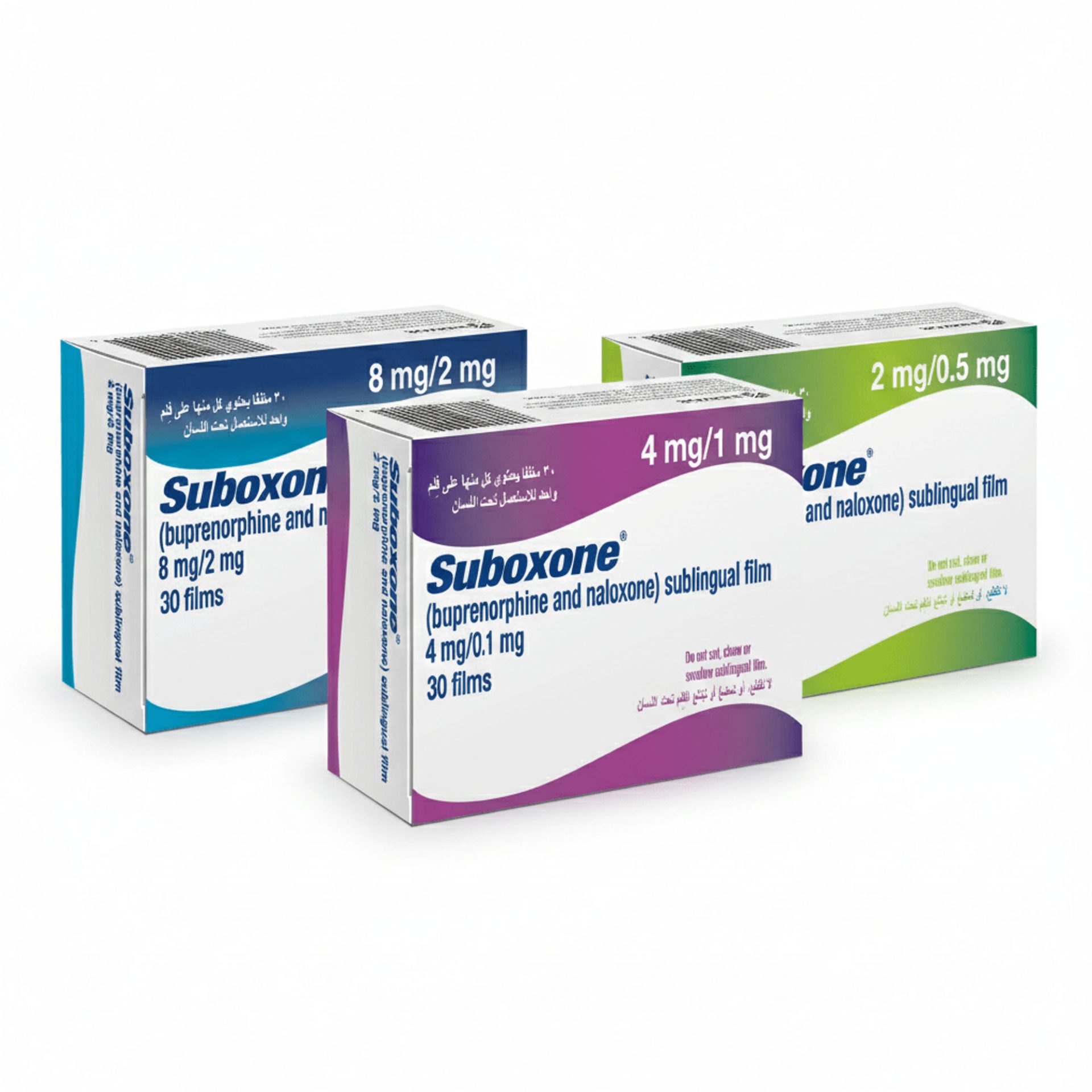
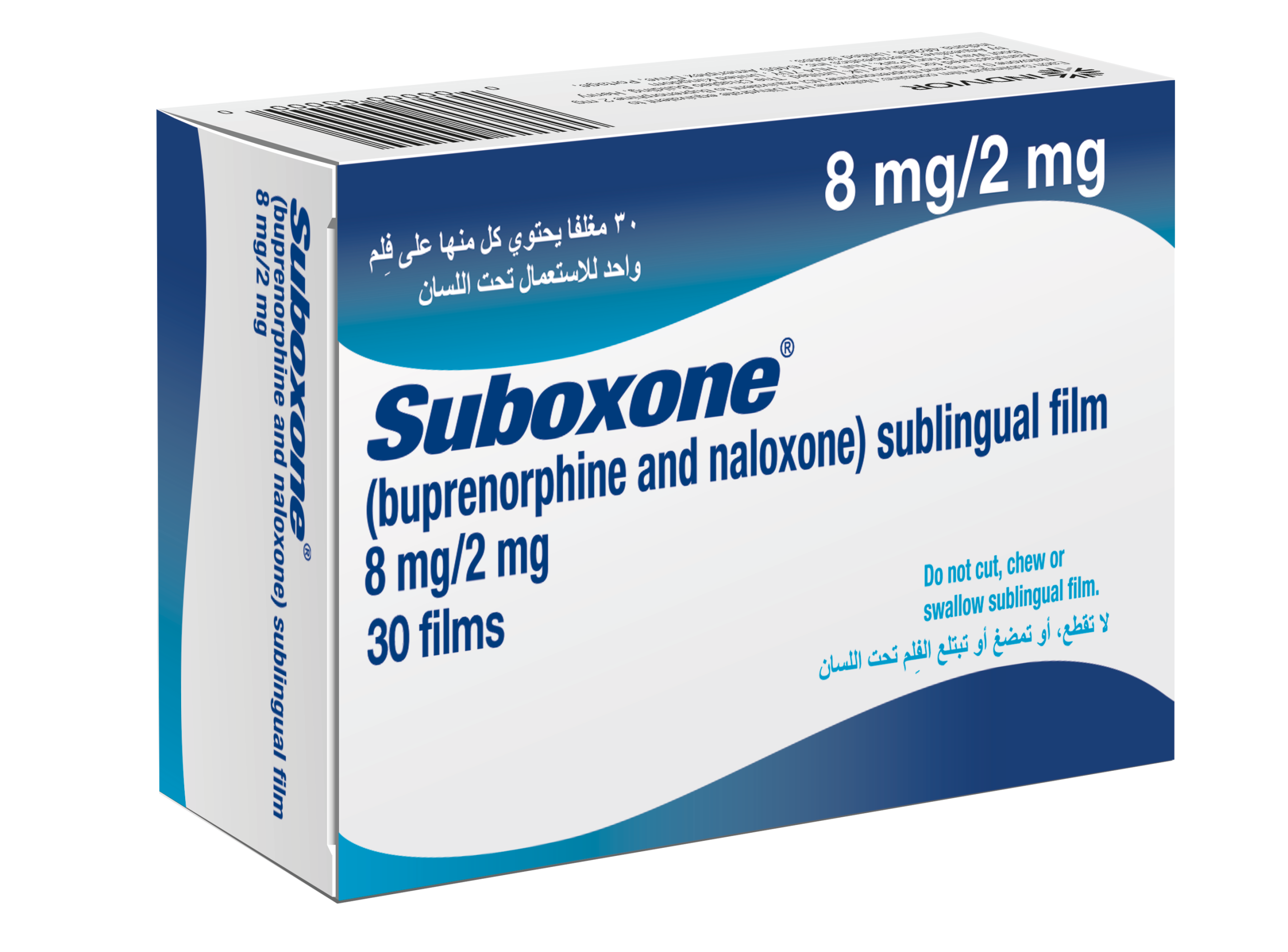
Forms: Sublingual films and sublingual tablets are available in various strengths (eg 2/0.5 mg, 8/2 mg).
Typical Use: Treatment is initiated when the patient experiences mild to moderate opioid withdrawal symptoms (to avoid acute withdrawal). Dosage is individualized, and maintenance doses vary considerably.
Efficacy and role in treatment
Purpose: It is used as part of medication-assisted therapy (MAT) to reduce illicit opioid use, decrease the risk of overdose, and support psychosocial recovery efforts.
Evidence: Buprenorphine therapies are supported by clinical guidelines and regulatory authorities for the treatment of opioid dependence.
Safety, side effects and precautions
Common side effects: Constipation, headache, nausea, sweating, and drowsiness. Serious risks include respiratory depression (especially when combined with other central nervous system depressants) and the risk of overdose when used concomitantly with sedatives or alcohol.
Contraindications/Precautions: Caution is advised when using this medicine concomitantly with benzodiazepines, alcohol, in cases of severe hepatic impairment, and during pregnancy. Treatment should be supervised by a physician experienced in the use of medications for the management of opioid dependence (ODD).
Dependence/Withdrawal: Buprenorphine can cause physical dependence; discontinuation of treatment may require gradual dosage reduction and medical supervision.
Practical information : Buying Suboxone
Access and Prescribing: Suboxone is a prescription drug and is typically prescribed in outpatient clinics or by physicians specializing in the treatment of opioid addiction; some regions offer programs and co-pay assistance.
Abuse: The addition of naloxone and the availability of different formulations reduce the risk of abuse, but do not eliminate it completely; safe storage and adherence to the treatment plan are essential.
Learn more : Buy Suboxone 8 mg
I can summarize the clinical induction protocols (induction, stabilization, maintenance) and the usual initial doses.
I can compare Suboxone with buprenorphine monotherapy (eg, Subutex), methadone, or naltrexone for specific clinical scenarios. Please let me know your preference and whether you need referrals focused on clinical guidelines, pharmacology, or patient counseling.
What are the most common side effects of Suboxone 8 mg?
The most common side effects of Suboxone (buprenorphine/naloxone) are nausea, headache, constipation, insomnia, sweating, and mouth irritation (numbness, burning, or redness).
In summary:
Nausea and vomiting are common at the beginning of treatment or after dose changes and usually improve within a few days or weeks.
Headaches and dizziness are common and may be temporary once patients adjust to the effects.
Constipation and dry mouth are typical side effects of opioids, such as buprenorphine.
Insomnia, sleep disturbances and fatigue occur in a significant minority of patients.
Local oral side effects following sublingual administration (film/tablets), such as numbness, burning, or redness of the mouth and tongue, are common.
When to see a doctor
New or worsening breathing difficulties, severe drowsiness or difficulty waking up, fainting, confusion, or signs of an allergic reaction (hives, swelling, tightness in the throat) require urgent medical attention.
Yellowing of the skin or eyes, dark urine, pain in the upper right abdomen, or persistent fatigue without an apparent cause may indicate liver damage and should be investigated immediately.
Practical advice
Many common side effects (nausea, headache, mouth irritation, sleep disturbances) resolve within a few days. Symptomatic measures (small, frequent meals for nausea, laxatives for constipation, good oral hygiene for mouth irritation, good sleep habits for insomnia) and medical treatment are generally helpful.
Upon request, I can provide the following:
Approximate frequencies based on clinical studies or product information (eg percentage of people affected).
Brief recommendations for the management of each common adverse event (drugs and non-pharmacological measures).
Tell me which one it is and I will provide you with the trial/label numbers and instructions for administration.
Suboxone Dosage and Drug Interactions
Suboxone (buprenorphine/naloxone) dosing is individualized, but typical induction and maintenance doses range from 4/1 to 24/6 mg once daily, with a common target maintenance dose of approximately 16/4 mg once daily; it interacts significantly with central nervous system depressants.
Dosage – practical scheme
Induction: Initiate when the patient experiences mild to moderate opioid withdrawal symptoms to avoid precipitated withdrawal; the initial sublingual dose is often 2/0.5 mg or 4/1 mg and can be titrated (in increments of 2-4 mg buprenorphine) up to approximately 8/2 mg on the first day, depending on response, with a further increase on the second day if necessary.
Rapid/home induction approaches (microdosing regimens and multi-day step-ups) exist, but local clinical protocols and the prescriber’s experience should be followed.
Maintenance: The typical target maintenance dose is approximately 16/4 mg once daily, with total daily ranges usually reported from approximately 4/1 mg to 24/6 mg daily; some physicians divide the daily dose if clinically indicated.
Main categories of interaction and clinical implications
CNS depressants (benzodiazepines, sedative-hypnotics, some antihistamines, alcohol): Concomitant use increases the risk of profound sedation, respiratory depression, coma, or death; avoid the combination whenever possible, and if concomitant use is unavoidable, use the lowest effective doses, monitor carefully, and inform patients of the risks.
Other opioids or partial agonists/antagonists: Administration of full opioid agonists with buprenorphine may be less effective (buprenorphine may block their effects) and may precipitate withdrawal if the timing is incorrect; careful planning is required when treating acute pain or when changing opioid therapy.
Dextromethorphan and some over-the-counter cold medications: Moderate interactions (CNS effects, cardiovascular changes) may occur – check the ingredients of combination products and avoid combinations that increase sedation or adrenergic effects.
Other practical points on prescription
Pain Management: If a patient on Suboxone requires short-term pain control, non-opioid analgesics (acetaminophen , NSAIDs) are the appropriate first choice; if opioids are required, consult a pain/addiction specialist as higher doses of agonists may be required, and buprenorphine’s receptor occupancy complicates typical opioid therapy.
Switching formulations: When switching from one buprenorphine product to another (film, tablet, monotherapy, or combination), monitor for underdosage or overdose and adjust the dose if necessary.
Monitoring: Assess sedation, respiratory status, liver function (baseline and if clinically indicated), control of withdrawal symptoms/cravings, and adherence/risk of misuse.
When to change therapy or seek the advice of a specialist
If the patient requires benzodiazepines chronically, has severe, uncontrolled liver disease, requires medications that interact with each other and cannot be changed, or has complex pain needs, it is appropriate to consult or collaborate with addiction specialists, a pain management physician, or pharmacology/pharmacy experts.


