
Descrizione
How long does an Ozempic pen last?
Buy Ozempic 0.25 mg One Ozempic 0.25 mg or 0.5 mg (2 mg/3 mL) subcutaneous pen lasts 4 to 8 weeks, depending on the prescribed dosage.
Doses per pen
This pen delivers 8 doses of 0.25 mg (4 weeks if used weekly) or 4 doses of 0.5 mg (4 weeks), or a combination such as 4 weeks of 0.25 mg plus 2 weeks of 0.5 mg (6 weeks in total).
Expiry after first use
Once punctured, store in the refrigerator (2-8°C) or at room temperature (15-30°C); discard after 56 days (8 weeks) even if doses remain, as potency decreases.
Checking Remaining Doses
Turn the dose selector forward: if it reaches the prescribed dose, a full injection is available; if delivery stops before then, the pen is empty even if it appears full due to overfilling during priming.
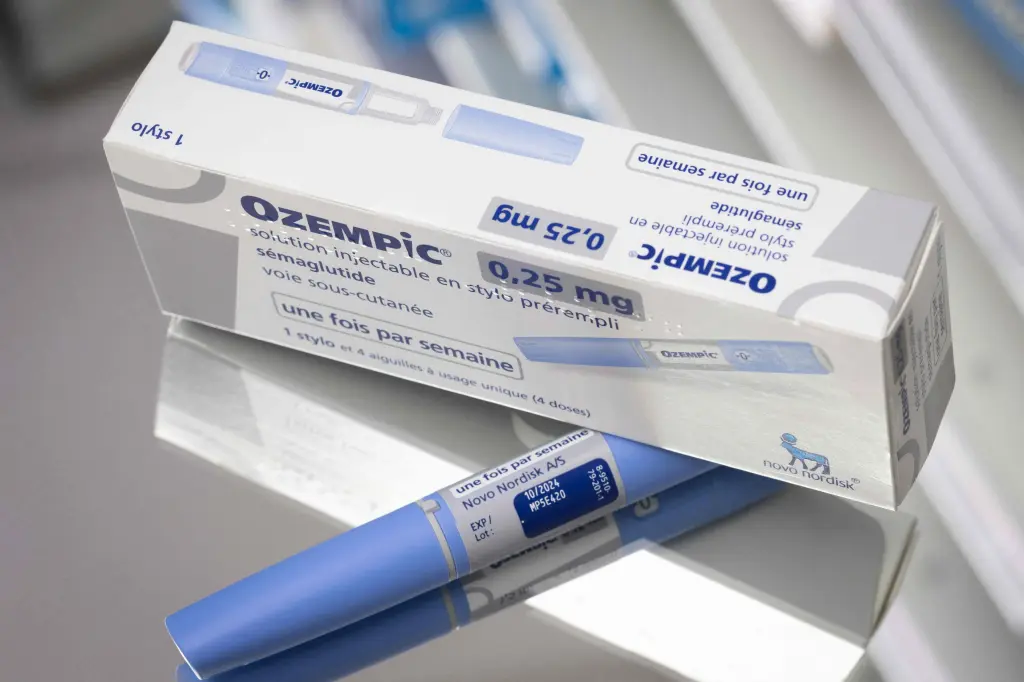
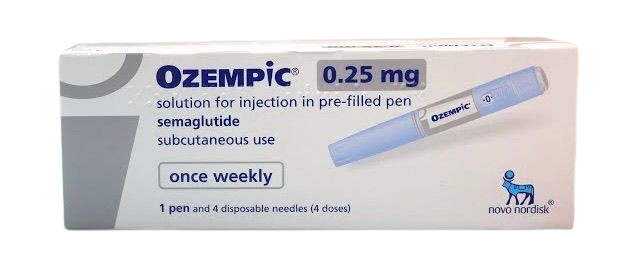
Ozempic 0.25 mg or 0.5 mg (2 mg/3 ml) pen for subcutaneous injection
Ozempic (semaglutide e) pens labeled as 0.25 mg or 0.5 mg (2 mg/3 ml) are pre-filled subcutaneous injectors designed for the weekly management of type 2 diabetes, starting with the lowest dose to minimize side effects such as nausea.
Pen Specifications; Buy Ozempic 0.25 mg
This specific pen contains 2 mg of semaglutide in 3 ml of solution (concentration of 0.68 mg/ml). The device delivers only 0.25 mg (starting dose, typically for 4 weeks) or 0.5 mg (maintenance dose) per injection.
For a total of up to 6 doses, for example 4 doses of 0.25 mg and 2 doses of 0.5 mg.
Dosage Instructions; Buy Ozempic 0.25 mg
Start with 0.25 mg once weekly for 4 weeks, administered subcutaneously in the abdomen, thigh, or upper arm, alternating injection sites. If well tolerated, increase the dose to 0.5 mg weekly to improve glycemic control; your doctor may adjust based on your response.
Instructions for use; Buy Ozempic 0.25 mg
Check the dose selector: it stops at 0.25 mg or 0.5 mg maximum, unlike higher-dose pens. Prepare the pen before first use, inject continuously for 6 seconds until the counter reads 0, and use a new needle each time.
Interactions of Ozempic 0.25 mg with other drugs
Ozempic (semaglutide) 0.25 mg once weekly may interact with several drug classes, primarily by increasing the risk of hypoglycemia or altering the absorption of other medications. A brief overview of clinically relevant interactions is provided below.
Main interaction groups
Insulin and insulin secretagogues (sulfonylureas)
Risk: Significantly increased risk of hypoglycemia (low blood sugar) when given concomitantly with insulin, glipizide, glyburide, glimepiride, gliclazide, or nateglinide.
Practical tip: Often requires a reduction in insulin or sulfonylurea dosage; careful monitoring of blood glucose is essential, especially when starting or titrating Ozempic.
Other antidiabetic drugs (excluding sulfonylureas/insulin)
Metformin, DPP-4 inhibitors (sitagliptin, saxagliptin, etc.), SGLT-2 inhibitors (empagliflozin, dapagliflozin, etc.) and GLP-1 agonists such as liraglutide are generally used together, but the additive glucose-lowering effect
may, however, increase the risk of hypoglycemia if combined with sulfonylureas or insulin.
Drugs affected by slowing gastric emptying
Ozempic ( like other GLP-1 agonists ) slows gastric emptying, which may reduce the absorption of some oral medications taken immediately after meals.
This is particularly relevant for rapidly absorbed oral drugs, for which precise timing and achievement of peak plasma concentration are important (e.g., some antibiotics, some antivirals, some cardiovascular drugs).
Practical advice: Take essential oral medications at least 1-2 hours before injecting Ozempic
if possible, separately from the main meal; discuss the timing with your pharmacist/doctor.
Other Considerations; Buy Ozempic 0.25 mg
Alcohol and large, high-fat meals may worsen gastrointestinal side effects (nausea, vomiting) and may affect blood glucose control, although this is not a true pharmacokinetic “interaction” with Ozempic.
Moderate alcohol consumption and smaller, more frequent meals are generally recommended.
Warfarin and other anticoagulants ; Buy Ozempic 0.25 mg
No significant direct interactions have been described, but changes in diet, weight, and gastrointestinal motility with Ozempic may occasionally influence INR.
Monitor INR more closely if Ozempic is initiated or titrated in a patient on warfarin therapy.
Thyroid and GLP-1 Warnings
Ozempic is contraindicated in patients with a history of medullary thyroid cancer or MEN2; this is not a direct drug interaction but should be considered when selecting other endocrine therapies.
How should I store Ozempic pens after first use?
After first use, Ozempic pens can be stored in the refrigerator at 2-8°C (36-46°F) or at room temperature at 15-30°C (59-86°F) for up to 56 days (8 weeks),
whichever occurs first; after this time, discard the pen even if it still contains doses.
Important storage tips:
Store the pen in its original packaging to protect it from light, away from freezers, direct heat sources, and sunlight. Remove the needle after each use to avoid leakage or contamination.
Warnings before use; Buy Ozempic 0.25 mg
Unused pens should be stored in the refrigerator until the first injection. If left out of the refrigerator for a short time (less than 56 days at room temperature), there are usually no problems if the solution remains clear and colorless; do not use if the solution is cloudy, frozen, or if the expiration date has passed.
What are the most common side effects of Ozempic?
The most common side effects of Ozempic ( semaglutide ) are gastrointestinal in nature and often occur during dosage increases, typically improving over time as the body adjusts.
Common side effects
These effects affect 5-20% of users, according to clinical data: nausea (the most common, with a frequency of 15.8-20.3%), vomiting (5-9%), diarrhea (8.5-9%), abdominal pain (7.3%) and constipation (5%).
Management Tips; Buy Ozempic 0.25 mg
Start with the lowest dose of 0.25 mg to minimize problems; eat small, light meals; stay hydrated
and consult your doctor if effects persist, as you may need to stop increasing your dosage.